

Abrasive blasting — commonly known as sandblasting — is the process of preparing a metal surface for coating, painting, bonding or moulding by propelling an abrasive material against it at high pressure. It strips away rust, old paint and contaminants while creating the clean, textured surface that coatings need to adhere properly. At Jersola Engineering & Construction Limited, blasting is a key step in delivering durable, professional metalwork.
Think of it as high-octane sandpaper: where ordinary sanding struggles with awkward shapes, blasting reaches into every nook and crevice to produce an even, uniform finish. This guide explains how blasting works, the benefits it delivers, and the main types of abrasive used — so you understand why this step is essential before any quality coating job.
What is abrasive blasting?
Abrasive blasting forces a stream of abrasive media against a surface to clean, smooth or profile it. It is an indispensable preparation stage before powder coating or painting, because a coating is only ever as good as the surface beneath it — apply paint over rust or grease and it will fail quickly.
The process is prized for its speed and thoroughness, stripping difficult surfaces far faster than manual methods while reaching areas a sander never could. You can read a broader technical overview at the abrasive blasting reference, but the practical takeaway is simple: good blasting is the foundation of a long-lasting finish.
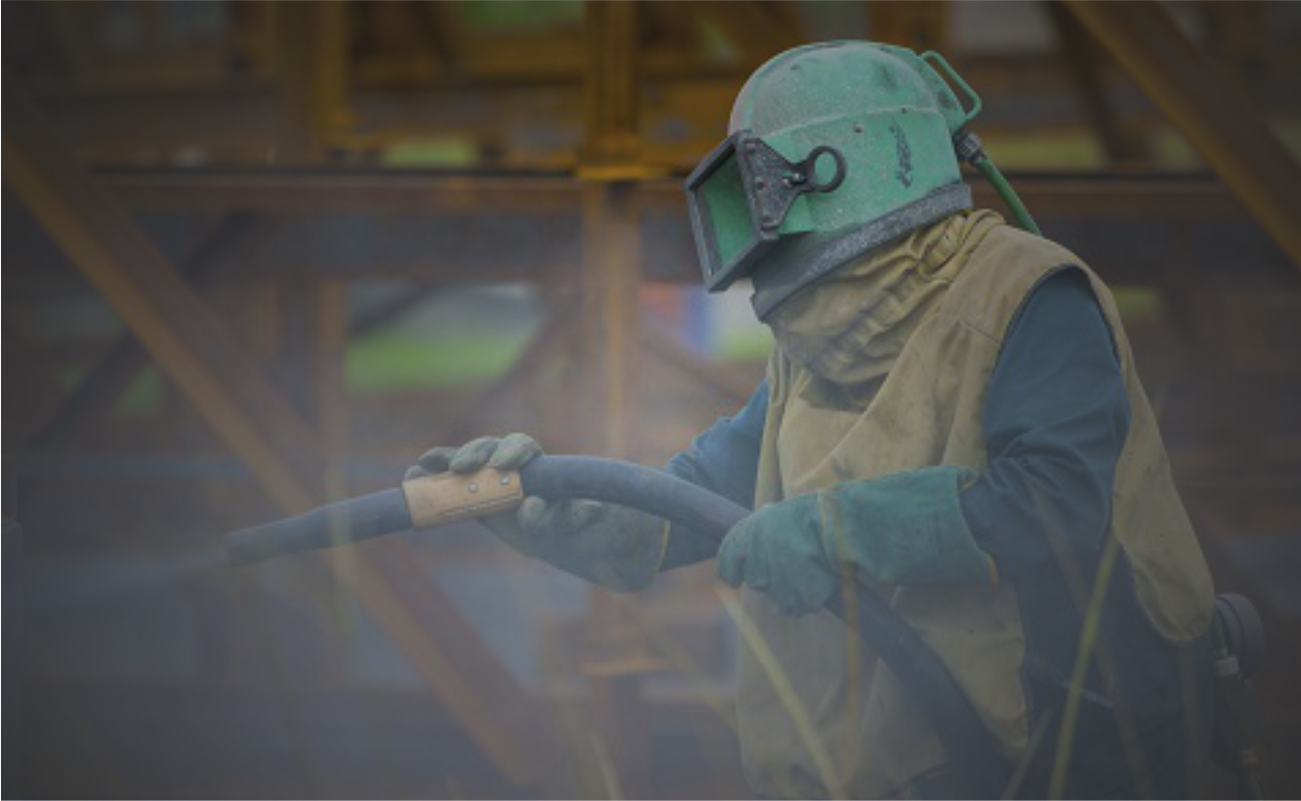
How a blasting setup works
A typical blasting setup has three core parts working together: the abrasive media itself, an air compressor that supplies the pressure, and a blaster nozzle that directs the stream precisely onto the surface. The operator controls pressure and angle to achieve the right level of cleaning or profiling without damaging the underlying metal.
Getting this balance right takes skill and the correct equipment. Too aggressive a setup can warp thin metal; too gentle a one leaves contaminants behind. Professional blasting matches the media, pressure and technique to the specific material and the coating that will follow.
Benefit 1: Thorough surface cleaning
The most important benefit of blasting is deep surface cleaning. It removes rust, old coatings, mill scale, oil and other harmful contaminants from almost any surface, leaving bare, sound metal ready to bond with the next layer.
This matters because contaminants are the number-one cause of coating failure. By stripping a surface back to clean metal, blasting dramatically extends the life of the paint or powder coating applied afterwards — protecting your investment in the finished product.
Benefit 2: A fast, efficient process
Blasting cleans and prepares surfaces far more quickly than hand tools, which makes the whole finishing process faster and more cost-effective. Difficult materials like heavily corroded steel that would take hours to sand can be prepared in a fraction of the time.
That speed translates directly into savings on labour and project timelines, especially on larger jobs. For commercial and industrial work where turnaround matters, professional blasting keeps projects moving without compromising quality.
Benefit 3: Effective paint and coating removal
When an item is covered in old, failing paint, blasting strips it away rapidly and completely, returning the surface to a clean state ready for recoating. This is far more effective than chemical strippers or manual scraping on complex shapes.
Removing every trace of the old coating ensures the new finish bonds properly and looks uniform. It is an essential step in refurbishing equipment, structures and components rather than replacing them — often a significant cost saving.
Common types of blasting media
“Sandblasting” is really an umbrella term for several abrasive methods, each chosen for a specific result. Silica sand has sharp edges that deliver an aggressive grit effect for removing surface imperfections, while soda blasting is gentle enough to clean softer metals like aluminium without damaging the surface, making it ideal for rust removal.
Steel grit provides fast, hard cutting action for removing heavy corrosion from thick, robust surfaces, and glass beads offer a silica-free, eco-friendly option that removes flaws like rust, burrs and scale while leaving a smooth finish. Selecting the right media is central to achieving the intended result without harming the workpiece.

Where blasting fits in the fabrication process
Blasting rarely stands alone — it is one stage in a larger workflow. After metal fabrication and before painting or powder coating, blasting ensures the surface is sound; and ahead of welding, surface preparation helps produce clean, strong joints.
Treating blasting as an integral part of the process — rather than an optional extra — is what separates work that lasts from work that quickly corrodes or peels. It is a small step with an outsized impact on durability, particularly in Ghana’s humid and coastal conditions.
Professional blasting services from Jersola
Jersola Engineering & Construction Limited provides expert sandblasting and surface preparation as part of our complete fabrication and finishing service across Ghana. With the right equipment, media and trained operators, we prepare surfaces correctly the first time, so your coatings last.
You can view examples of our finished work in the project gallery. To discuss a blasting, fabrication or coating project, visit our website or get in touch for a tailored quotation.