

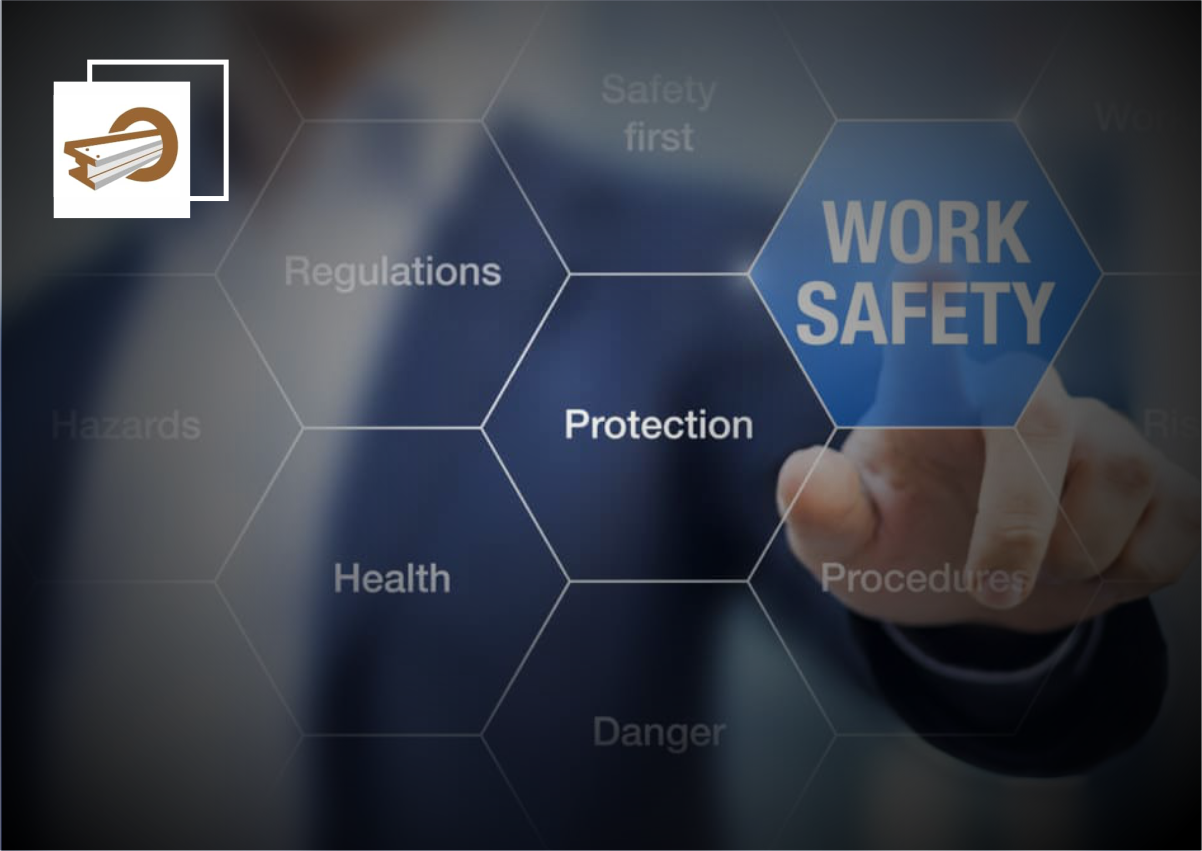
Safety is paramount in any metal fabrication shop. The combination of heavy material, sharp edges, high heat and powerful machinery means that a single lapse can cause serious injury — which is why a strong safety culture is not a “nice to have” but a core requirement of professional fabrication. At Jersola Engineering & Construction Limited, we treat safety protocols as fundamental to everything we do.
Protecting workers takes more than good intentions; it requires the correct equipment, thorough training and disciplined daily habits. This guide sets out the essential safety practices every metal fabricator should follow, and explains the real consequences of getting it wrong — for both people and the business.
Personal protective equipment (PPE)
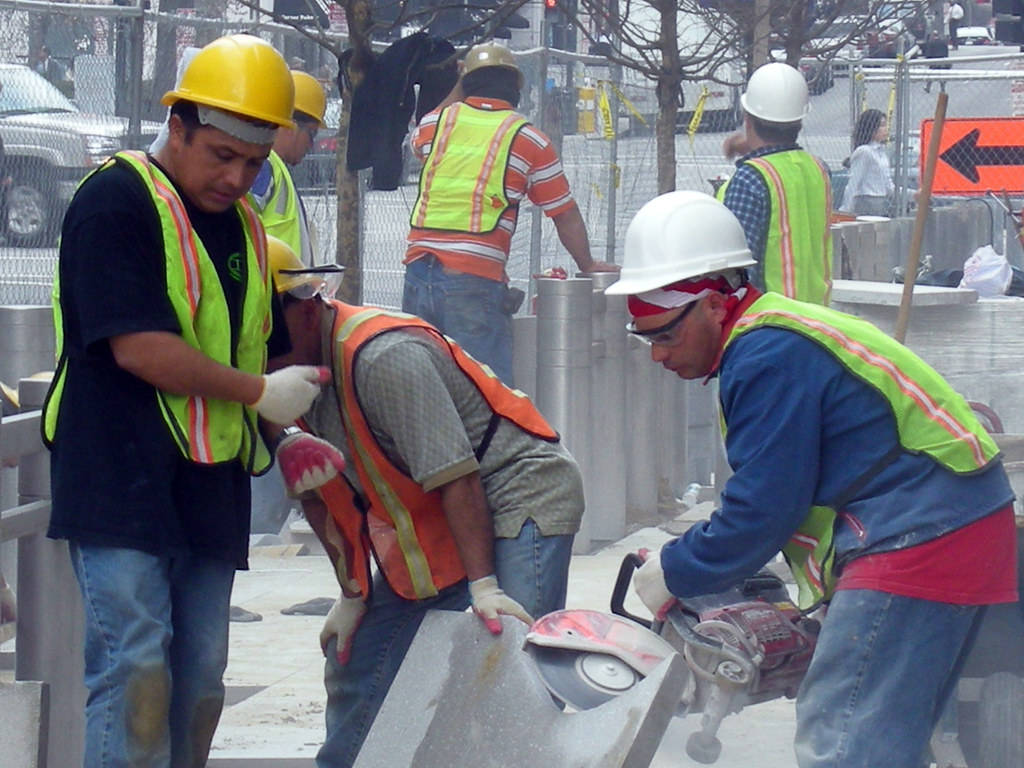
The first line of defence is properly used personal protective equipment. Employers should supply PPE that meets recognised standards such as those of the Occupational Safety and Health Administration (OSHA), including safety glasses, gloves, steel-toed boots, hard hats and appropriate face and hearing protection.
PPE guards against flying debris, sparks, poor air quality and machine mishaps — hazards that are ever-present in a fabrication environment. Wearing it correctly and consistently is one of the simplest and most effective ways to keep a minor incident from becoming an emergency-room visit.
Training and machinery safety
Even the best equipment is useless without proper training. Every worker should be taught how to operate machinery correctly, how to recognise potential hazards, and how to use PPE effectively before they ever touch a live machine. Refresher training keeps these habits sharp as equipment and processes change.
Machinery itself must be well maintained and never operated without the appropriate guards and protective gear. A poorly maintained machine is a hazard waiting to happen, so routine inspection and prompt repair are essential parts of any safety programme — a discipline that also protects the quality of the fabrication work itself.
Ventilation, material handling and chemical safety
Many fabrication processes release fumes or dust, so adequate ventilation is critical to protect workers’ lungs and maintain air quality in the workshop. Extraction systems and well-planned layouts make a measurable difference to long-term health.
Fabrication also involves heavy lifting and, frequently, chemicals. Using correct lifting techniques and mechanical aids prevents the back and limb injuries that are so common in the trade, while chemicals must be stored, used and disposed of strictly according to safety procedures to avoid burns, fumes and contamination.
Housekeeping, electrical and fire safety
A clean, organised workshop is a safe one. Keeping walkways clear and cleaning up spills promptly prevents the slips, trips and falls that account for a surprising share of workplace injuries. Good housekeeping also makes hazards easier to spot before they cause harm.
Electrical and fire safety deserve special attention because fabrication combines electricity with hot work. Always follow electrical safety procedures to avoid shock, keep suitable fire extinguishers within reach of all cutting and welding operations, and make sure staff know how to use them. A stocked first-aid kit and trained first-aiders complete the picture, ensuring immediate care is available until professional help arrives.
The consequences of poor safety practices
Neglecting safety is far more expensive than maintaining it. Accidents drive up workers’ compensation claims and insurance premiums, and lost productivity from injuries — time off, reduced staffing and missed deadlines — can quietly erode a project’s profitability and a company’s reputation.
The damage extends further still. Unsafe conditions harm a firm’s standing with clients and workers alike, invite legal penalties and failed inspections, and drive higher staff turnover as people seek safer employers. In short, poor safety is a business risk as much as a human one.
Insurance and accountability
Insurers pay close attention to a fabricator’s safety record. A shop with poor practices may face sharply higher premiums or even refused coverage, directly affecting its financial stability and its ability to take on contracts that require proof of insurance.
The way to manage all of this is straightforward: implement comprehensive safety protocols, train staff regularly, maintain equipment, conduct routine inspections and address hazards immediately. Safety, properly resourced, protects your people, your projects and your bottom line at the same time.
Building a lasting safety culture
Equipment and rules only work when safety becomes a shared habit rather than a checklist. The strongest fabrication shops involve workers in identifying hazards, encourage them to report near-misses without blame, and review incidents openly so the same mistake is never repeated twice.
Leadership sets the tone: when managers visibly follow the same rules they expect of others and invest in training and equipment, safety stops being a burden and becomes part of how the team takes pride in its work. That culture is ultimately what keeps people safe day after day.
Work with a fabricator that prioritises safety
Your project deserves a skilled metal fabricator that is properly qualified and genuinely committed to safety. Jersola Engineering & Construction Limited is a full-service fabrication company that builds safety into every job, protecting both our team and the quality of the work we deliver across Ghana.
If you would like to discuss your fabrication requirements with a team that takes safety and quality seriously, we would be glad to help. Visit our website or view examples of our work in the project gallery, then get in touch for a quotation.